Strengthen Structure and Improve Health
Tree Pruning in Anderson and across Upstate South Carolina for diseased, weak, or crossing limbs affecting long-term tree stability and growth
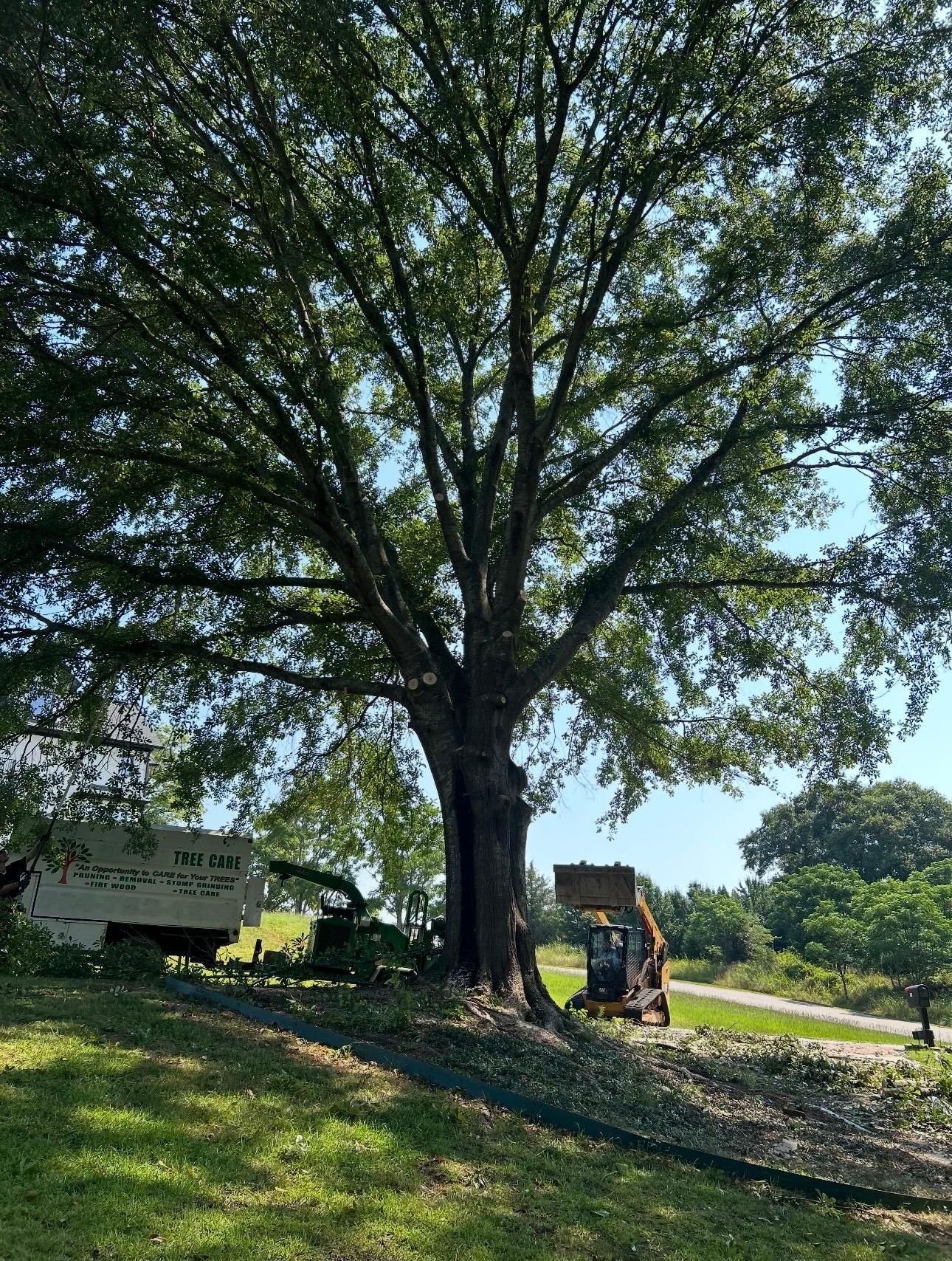
Pruning techniques strengthen tree structure by removing diseased, damaged, and crossing branches before they cause larger failures or spread decay through the canopy. Arbortech of Anderson evaluates tree condition and targets specific limbs that create rubbing wounds, block interior light, or show signs of disease and insect damage common in ornamental and mature trees throughout the region. You maintain healthier growth and reduce future safety hazards when weak branches are removed and balanced structure is restored through selective cutting.
The work differs from trimming by focusing on tree health and structural integrity rather than simply clearing space around buildings or reducing size. Crossing limbs that rub during wind create bark wounds where decay and insects enter, while co-dominant stems with weak attachments are prone to splitting under load. Seasonal timing matters because pruning during active growth can stress trees, while dormant-season work allows cuts to heal before energy is directed toward spring leaf production.
Schedule a pruning assessment to address structural weaknesses before they develop into removal needs in Anderson, Greenville, Easley, and surrounding areas.
How Pruning Differs From Other Tree Work
Professional evaluation identifies branches that compete for dominance, crowd interior growth, or show early disease symptoms such as discolored bark, cankers, or fungal growth. Cuts are made just outside branch collars using proper angles that promote compartmentalization, allowing trees to seal wounds naturally without leaving stubs or flush cuts that invite decay. Young trees receive structural pruning to establish strong scaffolds, while mature specimens benefit from maintenance pruning that removes deadwood and corrects imbalances developed over years.
Once pruning is finished, you notice improved canopy shape with better light penetration to interior branches, elimination of rubbing contact points that previously created wounds, and removal of diseased sections before infection spreads throughout the tree. Trees develop stronger branch attachments and more balanced weight distribution, reducing the likelihood of storm damage during high winds. Growth concentrates in remaining healthy branches rather than being wasted on weak or poorly positioned limbs.
Pruning does not correct severe structural defects, advanced decay, or trees already leaning dangerously, which typically require removal rather than corrective cutting. Ornamental trees including dogwoods, maples, and Bradford pears common on residential and commercial properties respond well to regular pruning that maintains attractive form while addressing the brittle branch structure some species develop. All removed branches and debris are cleared from your property after work is completed.
Common Questions About Pruning Services
Understanding what pruning addresses and when it should be performed helps property owners maintain tree health over decades rather than reacting to failures.
Arbortech of Anderson examines tree structure and health before recommending pruning work. Arrange a routine assessment to maintain strong, healthy trees on your property.
What is the difference between pruning and trimming?
Pruning focuses on tree health and structure by removing diseased, weak, or poorly attached branches, while trimming primarily reduces size and clears space around buildings, driveways, and utilities without emphasizing internal tree condition.
When should pruning be performed in Anderson and surrounding areas?
Late winter before spring growth begins is optimal for most species, allowing wounds to heal as the tree breaks dormancy and avoiding stress during the hot summer months typical in Upstate South Carolina.
Why do crossing branches need removal?
Limbs that rub against each other during wind create bark wounds that never heal properly, providing entry points for insects, fungi, and decay organisms that spread through the tree and weaken structural integrity over time.
What are co-dominant stems and why do they matter?
Two trunks or large branches of similar size growing from the same point create weak attachments prone to splitting, especially when one side becomes heavier or during ice storms that load branches unevenly.
How does pruning improve long-term tree stability?
Removing competing leaders, correcting weight imbalances, and eliminating weak attachments before they fail reduces storm damage risk and extends tree lifespan by directing growth into strong, well-attached branches with proper spacing.